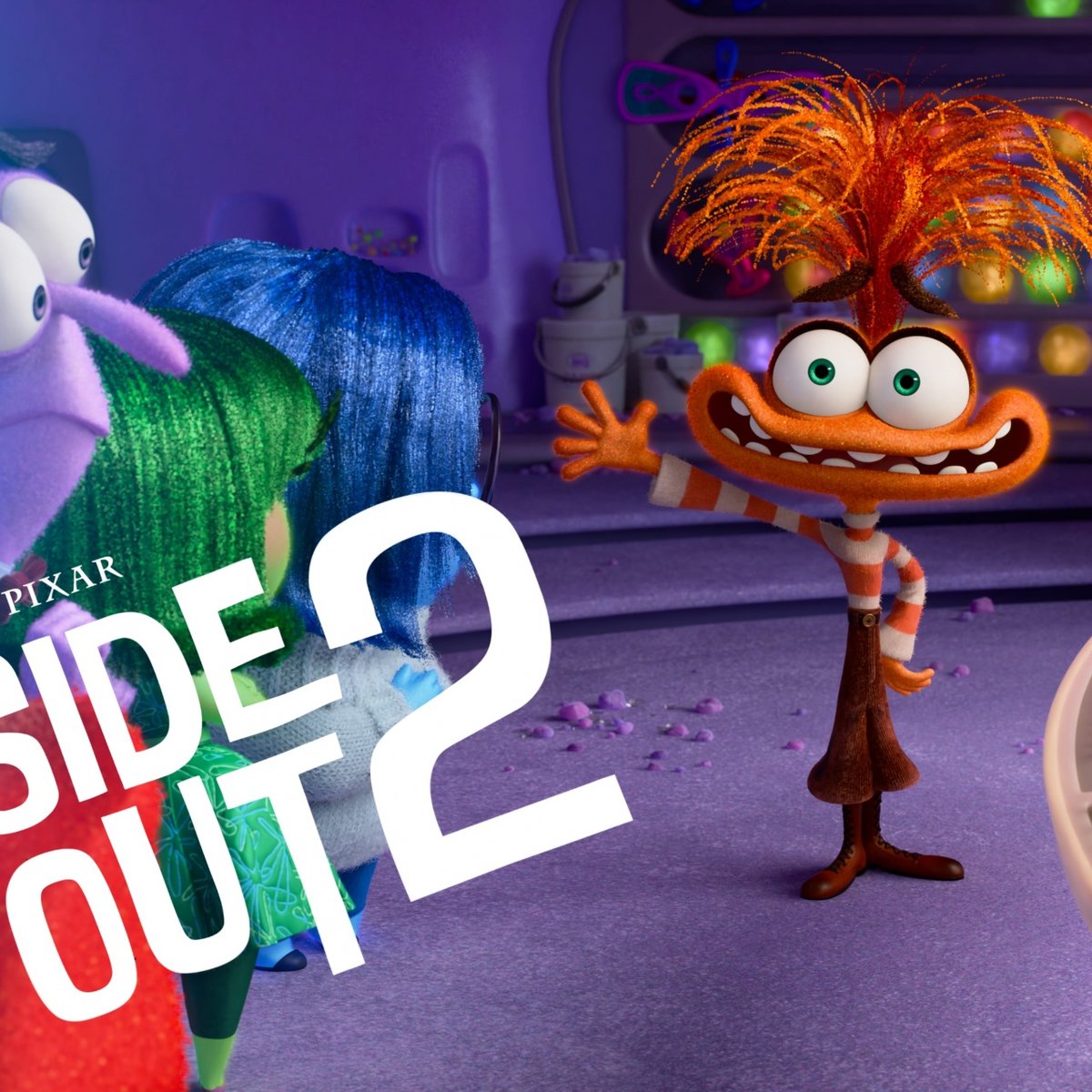
If you’ve seen Inside Out 2, you know that feeling of your emotional control panel suddenly getting an upgrade—or maybe a chaotic, orange-hued takeover. The film's introduction of Anxiety as a central character has sparked conversations far beyond the cinema, offering a compelling comparison: Anxiety in Inside Out 2 vs. real-world experiences. It brilliantly visualizes an emotion that, for many, remains an elusive, often overwhelming force in daily life. But how accurately does Pixar's vibrant personification stack up against the complex reality of human anxiety? Let’s pull back the curtain on the science, the screen, and the subtle, sometimes suffocating, nuances of what it means to feel anxious.
At a Glance: What You’ll Learn About Anxiety
- Inside Out 2 captures anxiety's proactive, future-oriented nature, distinct from immediate fear.
- The film accurately portrays anxiety’s dual nature: a protective guide or a source of overwhelming stress.
- Puberty's neurological changes intensify emotions, making the teenage experience a prime stage for anxiety.
- The movie's depiction of a panic attack and grounding techniques aligns closely with clinical understanding.
- Real-world anxiety management involves cognitive reframing and physiological techniques, not elimination.
- Understanding anxiety as an adaptive, valuable emotion is key to managing it effectively.
The Big Picture: Why Anxiety Matters (In Pixels & In Life)
Anxiety isn't just a quirky new character in Riley's mind; it's a foundational human emotion, a primal system designed for survival. Think of it as your brain’s built-in early warning system, always scanning the horizon for potential threats. Unlike fear, which reacts to an immediate, present danger (like a growling dog in front of you), anxiety is future-oriented. It anticipates risks, imagines "what ifs," and constantly weighs potential outcomes, even when the threat isn't right in front of you. This is why it’s a crucial adaptive emotion, fueling our ability to plan, prepare, and exercise caution. Without a dash of anxiety, we might never study for an exam, save for retirement, or look both ways before crossing the street.
Inside Out 2 captures this essence perfectly. The character Anxiety, voiced by Maya Hawke, is a whirl of nervous energy, constantly projecting worst-case scenarios and tirelessly trying to prevent them. She’s the architect of elaborate plans for Riley’s future, often with the best intentions, but frequently at the cost of present peace. This reflects a core truth about the emotion: it can be a tremendously useful guide, driving motivation and problem-solving. However, when it takes the reins completely, it can dominate thoughts, cause immense stress, and disrupt the delicate balance of our emotional world, making it hard to seize opportunities or simply enjoy the moment.
Clinical psychologist Lisa Damour, who consulted on Inside Out 2, emphasizes that anxiety is inherently "important, valuable, protective, and natural." It only becomes problematic, or "pathological," when it anticipates threats that aren't real or overreacts to potential problems, leading to disorders like Generalized Anxiety Disorder (GAD), panic disorder, or social anxiety. The film also expertly ties anxiety's surge to Riley turning 13, illustrating how puberty itself causes a neurological cascade, intensifying emotions as the brain upgrades ancient emotional regions faster than its perspective-maintaining systems. This makes the teenage years a crucible for heightened emotional experiences, including anxiety. To dive deeper into how emotions evolve, you might find the intricate science of emotions fascinating.
Anxiety in Inside Out 2: A Character Study
In Inside Out 2, Anxiety is a whirlwind of orange, frizzy hair and frantic energy. She literally carries a suitcase full of potential worries and future scenarios. Her mantra is preparation, prevention, and problem-solving—even for problems that haven't materialized. You see her constantly trying to predict social blunders, academic failures, and athletic missteps for Riley, constructing elaborate "vaults" of negative core beliefs she wants Riley to internalize to "protect" her.
The film excels at visualizing the internal experience of anxiety. We see Anxiety building towering mental structures based on "what ifs," creating complex flowcharts of potential disasters, and attempting to steer Riley’s actions based on these projections. This constant forward-thinking, while well-intended, often leads to chaos on Riley's emotional control panel. Anxiety pushes other emotions aside, convinced that her foresight is the only path to safety and success. This dominance is depicted as overwhelming, leading to Riley's stress, self-doubt, and ultimately, a disruption of her inherent joy and curiosity. It’s a compelling portrayal of how one emotion, when unchecked, can monopolize a person's inner world, echoing many real-world struggles with anxiety.
The Brain on Edge: Real-World Anxiety Explored
Beyond the animated world, real-world anxiety can manifest in complex and often debilitating ways. While everyone experiences situational anxiety (like before a big presentation), clinical anxiety disorders involve persistent, excessive worry that interferes with daily life. This isn't just about feeling a bit nervous; it's a chronic state of apprehension that can be physically and mentally exhausting.
Psychologically, anxiety disorders are characterized by a pervasive sense of dread, restlessness, difficulty concentrating, and often physical symptoms like a racing heart, sweating, and stomach upset. For teenagers, like Riley, the onset of puberty adds another layer of complexity. As Lisa Damour explained, the adolescent brain is undergoing massive restructuring. The limbic system, responsible for emotions and reward, becomes supercharged, while the prefrontal cortex, which governs rational thought, impulse control, and perspective, is still under construction. This imbalance means emotions feel more intense, and it's harder to regulate them or put things into perspective. This developmental stage makes understanding teen anxiety particularly crucial.
Consider the distinction:
- Adaptive Anxiety: A fleeting concern about an upcoming test that prompts you to study. It's proportional and serves a purpose.
- Anxiety Disorder: Constant, overwhelming worry about every test, to the point you can't focus, sleep, or enjoy other activities, even when you're well-prepared. It's disproportionate and debilitating.
These disorders aren't a sign of weakness; they're legitimate mental health conditions influenced by genetics, brain chemistry, personality, and life experiences.
Spotting the Signs: Where Film Meets Reality in Anxiety's Manifestations
One of Inside Out 2's greatest strengths is its fidelity to psychological reality. Several key moments directly mirror common anxiety experiences and therapeutic interventions.
The Panic Attack Portrayal: A Stark Reality
Perhaps the most visceral and accurate scene in the film is Riley's panic attack. Overwhelmed by her anxieties about fitting in at high school and performing in hockey, Riley hyperventilates, her vision blurs, and she disconnects from her surroundings and even herself. Her actions become erratic and impulsive. This is a chillingly precise depiction of a panic attack: an intense surge of fear or discomfort, often accompanied by physical symptoms (racing heart, shortness of breath, dizziness) and cognitive ones (fear of losing control, going crazy, or even dying). People experiencing panic attacks often report a sense of derealization (the world doesn't feel real) or depersonalization (feeling detached from oneself), just as Riley does. It's a moment that resonates deeply because it's so raw and true to life. For those who experience them, learning about dealing with panic attacks can be life-changing.
The Power of Grounding Techniques
In the aftermath of her panic attack, we see Riley instinctively reach for her hockey stick, a familiar, tangible object. She grasps it tightly, feeling the texture, focusing on its presence. This isn't just a prop; it's a classic grounding technique. Therapists teach grounding as a way to manage intense anxiety and panic by bringing a person's attention back to the present moment and their physical surroundings, away from overwhelming thoughts or sensations. By focusing on sensory details (what you see, hear, touch, smell, taste), you can "ground" yourself in reality, interrupting the spiraling anxious thoughts and activating the parasympathetic nervous system, which helps calm the body. Riley’s use of her hockey stick is a perfect, subtle example of this real-world coping mechanism.
The "What Ifs" and Overthinking: A Shared Landscape
Anxiety's constant barrage of "what if" scenarios in Riley's mind mirrors the incessant overthinking many people with anxiety experience. The character Anxiety is perpetually trying to predict and control the future, creating mental constructions of worst-case outcomes. In real life, this translates to:
- Ruminating: Playing negative scenarios over and over in your head.
- Catastrophizing: Blowing small problems out of proportion into massive disasters.
- Worst-Case Thinking: Always assuming the most negative outcome is the most likely one.
This future-oriented focus, while sometimes protective, can become debilitating when it prevents us from engaging with the present or enjoying life's uncertainties.
Emotional Imbalance: When One Emotion Dominates
In the film, Anxiety pushes other emotions like Joy, Sadness, and Anger out of the control room, convinced that she alone knows what's best for Riley. This vividly illustrates how real-world anxiety can monopolize our emotional landscape. When anxiety is high, it can suppress other feelings, making it hard to experience joy, process sadness, or even feel appropriate anger. It creates a tunnel vision where the anxious thought becomes the only dominant voice, leading to emotional numbness or extreme reactivity, upsetting the natural balance of our inner lives.
Managing the Whirlwind: Lessons from Therapy and the Control Room
The goal, both in therapy and implied by Inside Out 2, isn't to eradicate anxiety. As Lisa Damour reminds us, anxiety is a natural, valuable emotion. The aim is to manage it, to recognize when it becomes irrational or disproportionate, and to ensure it doesn't hijack our entire emotional console.
Cognitive Interventions: Reshaping Thoughts
Therapists often use cognitive interventions, a cornerstone of Cognitive Behavioral Therapy (CBT), to help individuals challenge and reframe anxious thoughts. In the film, we see hints of this when other emotions try to offer alternative perspectives. In the real world, this looks like:
- Questioning the Threat: Instead of accepting an anxious thought like "I won't have any friends in high school," you learn to ask, "Is that truly the only outcome? Maybe I won't have as many friends, but is it realistic to have none? What evidence do I have?" This helps reduce the perceived threat.
- Identifying Actionable Steps: Anxiety often feels overwhelming because it presents vague, enormous problems. Breaking down a perceived threat into smaller, actionable steps can restore a sense of agency. If you're worried about failing a class, what's one thing you can do today to prepare? Study for 30 minutes? Ask a question? This shifts from passive worry to active problem-solving.
- Cognitive Reframing for Optimism: Learning to shift perspective and seek out more balanced or even positive interpretations of situations. This doesn't mean ignoring reality but consciously choosing to focus on possibilities and strengths rather than just weaknesses and threats.
Physiological Interventions: Calming the Body, Calming the Mind
Anxiety often manifests physically: a racing heart, shallow breathing, tense muscles. Physiological interventions directly target these bodily responses to send a "we're safe" message to the nervous system.
- Diaphragmatic Breathing (Deep Breathing): When anxious, we tend to take quick, shallow breaths. Deliberately overriding this with slow, deep breaths that engage the diaphragm (belly breathing) can signal to the brain that there's no immediate danger. This activates the parasympathetic nervous system, lowering heart rate and promoting relaxation. It’s a powerful tool for effective anxiety management strategies.
- Progressive Muscle Relaxation: Tensing and then relaxing different muscle groups can release physical tension, which is often a symptom and perpetuator of anxiety.
Acknowledging and Balancing: The Inside Out 2 Philosophy
Riley's journey with Anxiety teaches us invaluable lessons:
- Acknowledge Anxiety: Don't fight or suppress it entirely. It’s a natural part of life, often trying to protect you. Pushing it away can make it stronger.
- Practice Cognitive Reframing: Learn to challenge those anxious thoughts and seek out more optimistic or balanced perspectives.
- Take a Wider Perspective: Just like Riley's emotional control panel needs all emotions, real-life decisions benefit from the input of joy, sadness, anger, and even disgust, not just anxiety. Balance is crucial.
This holistic approach, moving beyond the idea of simply "getting rid" of anxiety, is a central message of the film and a cornerstone of modern therapy. For a full breakdown of how the film portrays this, check out The Inside Out 2 anxiety guide.
Beyond the Screen: When Anxiety Needs a Closer Look
While anxiety is normal and even beneficial, there's a point where it crosses into a clinical concern. As Lisa Damour notes, anxiety becomes pathological when it:
- Anticipates unreal threats: Worrying excessively about things that are highly unlikely to happen.
- Overreacts to potential problems: Experiencing extreme distress over minor inconveniences or typical life challenges.
- Is disproportionate to the actual situation: Your reaction far outweighs the actual risk.
- Interferes with daily life: It prevents you from engaging in activities, maintaining relationships, or performing at work/school.
If anxiety is persistent, overwhelming, and impacts your ability to function and enjoy life, it’s a sign to seek professional help from a therapist, counselor, or doctor. Early intervention can make a significant difference.
Common Questions About Anxiety (Film & Life)
Is anxiety always bad?
No. Anxiety is an adaptive emotion crucial for survival, planning, and caution. It motivates us to prepare, avoid dangers, and solve problems. It's only "bad" when it becomes excessive, chronic, disproportionate, or interferes with daily life, crossing into the realm of an anxiety disorder.
Can you "get rid" of anxiety entirely?
No, nor should you aim to. Eliminating anxiety would remove a vital protective mechanism. The goal is to manage it effectively, understand its triggers, challenge irrational thoughts, and develop coping mechanisms so it serves its useful purpose without dominating your life.
Why does puberty make anxiety worse?
During puberty, the brain undergoes significant development. Emotional centers (limbic system) mature and become highly active before the prefrontal cortex (responsible for rational thought, impulse control, and perspective) is fully developed. This imbalance can lead to more intense emotions, including anxiety, and make it harder for teenagers to regulate their feelings or put things into perspective.
How is anxiety different from fear?
Fear is an immediate, present-oriented response to a real, perceived threat (e.g., seeing a bear). Anxiety is future-oriented, anticipating potential threats or negative outcomes that may or may not happen (e.g., worrying about encountering a bear on a hike next week). While they share similar physiological symptoms, their triggers and temporal focus differ.
Navigating Your Own "Emotional Console": A Path Forward
The enduring appeal of Inside Out 2 isn't just its clever animation; it’s its profound insight into our inner workings. The comparison: Anxiety in Inside Out 2 vs. real-world experiences reveals a striking alignment between Pixar's storytelling and complex psychological realities. You walk away with a better understanding that anxiety, while often uncomfortable, is a part of being human.
So, how do you navigate your own emotional console when Anxiety tries to take over?
- Acknowledge, Don't Judge: Recognize anxiety when it surfaces. Instead of immediately trying to push it away or label it "bad," simply observe it. "I'm feeling anxious right now."
- Practice Mindful Breathing: When you feel overwhelmed, take a few slow, deep breaths. Inhale deeply through your nose, letting your belly rise, hold for a moment, and exhale slowly through your mouth. This simple act can profoundly impact your nervous system.
- Challenge Your Thoughts: Don't let your anxious thoughts run unchecked. Ask yourself: "Is this thought truly factual, or is it a 'what if' scenario? What's the evidence for it? What's another way to look at this?"
- Embrace Other Emotions: Just as Riley needed Joy, Sadness, and the others, allow yourself to feel and express a full range of emotions. Suppressing them can give anxiety more power.
- Seek Balance: Understand that a healthy emotional life isn't about eliminating anxiety, but about integrating it, allowing it to serve its useful, protective role without letting it dictate your every move.
- Know When to Ask for Help: If anxiety feels debilitating, constant, or significantly impacts your life, reach out to a mental health professional. You don't have to navigate this alone.
Ultimately, Inside Out 2 serves as a powerful reminder that our emotional lives are rich, complex, and ever-evolving. By understanding the character of Anxiety, both on screen and within ourselves, we can learn to manage its influence, allowing all our emotions to contribute to a more balanced, resilient, and fulfilling life.