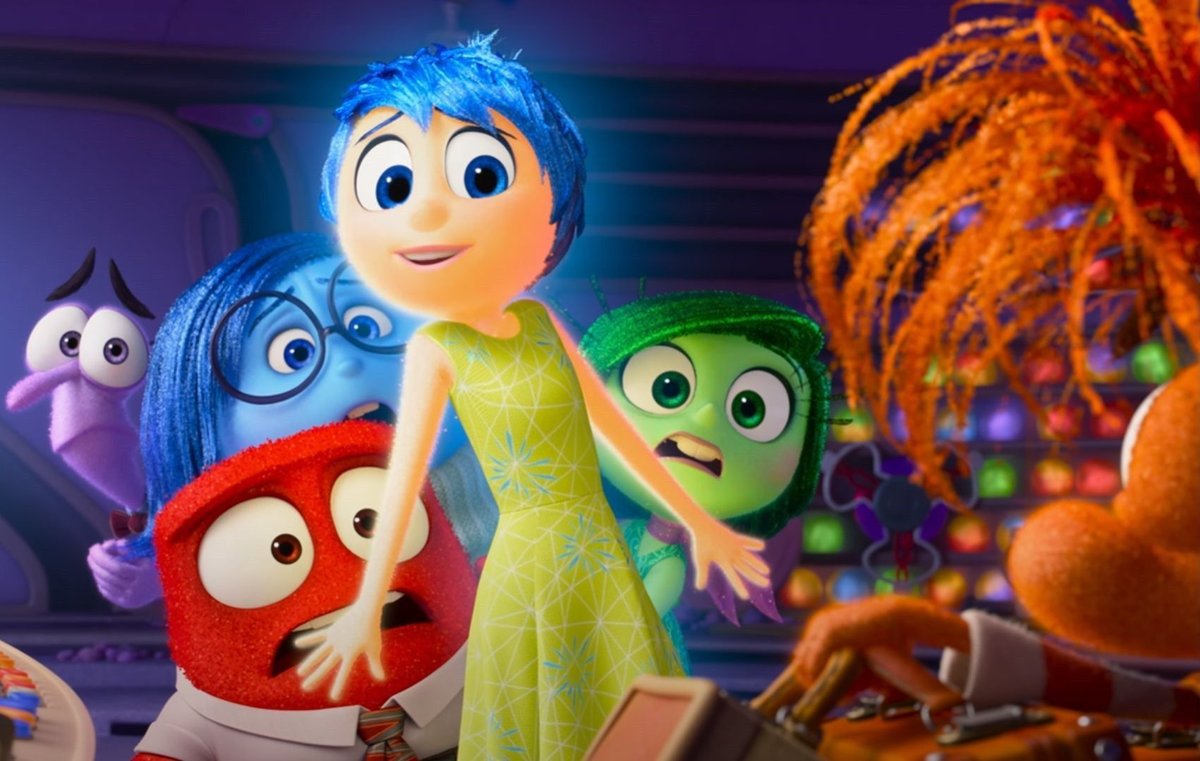
When your child’s inner world feels like a whirlwind of big, confusing emotions, a movie might just be the most unexpected, yet powerful, tool in your parenting arsenal. Enter Inside Out 2. More than just a captivating sequel, this film offers an unparalleled opportunity for Discussing Anxiety with Children: Inside Out 2 Guide for understanding, validating, and navigating those tricky feelings. It’s a chance to transform screen time into a profound conversation about what it truly means to feel anxious, and how to cope with it.
Childhood anxiety isn't just a fleeting worry; it’s an increasingly common challenge, characterized by overwhelming fear, worry, or nervousness that can significantly interfere with a child's daily life. Left unaddressed, it can cast a long shadow over healthy relationships and academic success, manifesting as frequent worries, sleep disturbances, irritability, or even physical symptoms like stomachaches and headaches. The good news? Films like Inside Out 2 provide a human-first, relatable framework for demystifying these complex internal experiences.
At a Glance: Key Takeaways for Navigating Anxiety with Inside Out 2
- Anxiety is Normal: The film helps children see that emotions like Fear and Anxiety are natural, protective parts of us, not something to be ashamed of.
- Boost Emotional Vocabulary: Use the characters to help your child identify and name their own feelings beyond just "good" or "bad."
- Open the Dialogue: Inside Out 2 offers a neutral, engaging starting point to talk about personal worries and fears without direct confrontation.
- Practice Coping Skills: Role-play scenarios and creative expression inspired by the movie can build real-world emotional regulation strategies.
- Validate ALL Emotions: Create a safe space where your child feels heard and understood, no matter what they’re feeling.
- Know When to Seek Help: Recognize signs that your child's anxiety might need professional support.
The Unseen World: Understanding Childhood Anxiety
Imagine having a constant alarm bell ringing in your head, even when there's no immediate danger. That’s often what anxiety feels like for a child. It’s not just shyness or temporary nerves; it's an excessive worry that can consume thoughts, dictate actions, and make everyday situations feel insurmountable.
Kids often struggle to articulate these swirling feelings. They might not have the words to say, "I'm feeling overwhelmed by anticipation for the test," but they might complain of a stomachache or sudden irritability. This struggle with emotional literacy is where the journey often begins. Fear, that primal emotion, is often at the heart of anxiety, acting as an overzealous protector. It’s a natural mechanism meant to keep us safe, but when it becomes too dominant, it morphs into excessive worry and avoidance, hijacking a child's ability to engage with the world.
The cornerstone of managing anxiety is emotional regulation—the learned ability to understand, manage, and respond to emotions in a healthy, adaptive way. Teaching children to recognize what they're feeling, name it, and then employ self-calming strategies is crucial. This helps reduce the frequency and intensity of anxiety episodes, giving them a sense of control over their inner landscape.
Inside Out 2: A Masterclass in Emotional Complexity
The original Inside Out brilliantly introduced us to Riley's core emotions, giving a visual representation to the abstract. Inside Out 2 takes this concept further, delving into the turbulent waters of adolescence with the introduction of new, more complex emotions—most notably, Anxiety. This new chapter doesn't just add characters; it enriches the narrative by showing how these emotions interact, sometimes clashing, sometimes collaborating, to influence Riley's behavior and sense of self.
Anxiety (and Fear) on Screen: In Inside Out 2, the character of Fear (from the original film) is depicted as a cautious character, whose primary role is to keep Riley safe. This portrayal is invaluable for children, as it reframes anxiety not as a flaw, but as a natural, protective emotion. It helps them grasp that the sensation of worry or nervousness is an internal alarm system, designed to anticipate potential dangers.
However, the film also smartly illustrates the pitfalls when Fear (or the new character, Anxiety) becomes too dominant. It shows how this can lead to excessive worry, overthinking, and ultimately, avoidance—preventing Riley from embracing new experiences or taking healthy risks. This visual narrative is a powerful way for children to see their own struggles reflected, validating their experiences while also providing a context for understanding why they might feel stuck.
The film underscores the vital importance of emotional balance. It shows that it's okay to feel "negative" emotions like sadness or fear. They serve a purpose. The key isn't to eradicate them, but to develop strategies to cope effectively, allowing all emotions to contribute to a well-rounded, resilient self. This perspective is foundational for helping children manage their anxiety, transforming it from a debilitating force into one they can learn to understand and navigate. You can dive deeper into the film's specifics by reading our guide on Understanding Inside Out 2 Anxiety.
Your Practical Inside Out 2 Guide: Turning Screen Time into Learning Time
Now, how do we leverage this cinematic masterpiece? It's about intentional engagement, moving beyond mere entertainment to a deeper, more meaningful dialogue.
Step 1: Sparking the Conversation – Beyond the Popcorn
The moment the credits roll isn't the end; it's the beginning. Use the film as a gentle, non-threatening entry point to talk about big feelings.
- How to Talk About Riley's Feelings: Instead of asking "How did you feel?", start with "How do you think Riley felt when…?" or "What do you think Fear was trying to do when Riley was about to try out for the team?" This external focus reduces pressure on your child, making it easier for them to project their own experiences onto Riley.
- Example: "When Riley was feeling really nervous about making new friends, which emotion seemed to be taking over inside her control panel?"
- Asking the Right Questions: Keep questions open-ended and curious, not interrogative. Focus on empathy and observation.
- Prompt: "I noticed Fear was working overtime in that scene. What do you think would happen if Fear wasn't there at all?"
- Prompt: "Riley seemed pretty overwhelmed when the new emotions showed up. Have you ever felt that many feelings at once?"
Step 2: Building Emotional Vocabulary – Naming the Unnameable
One of the greatest gifts you can give your child is a robust emotional vocabulary. Inside Out 2 provides a vivid cast of characters for this.
- Connecting On-Screen Emotions to Real Life: Encourage your child to identify and name the emotions they see in the movie and then relate them to their own lives.
- Prompt: "Remember how Anxiety made Riley plan for every single possible bad outcome? What's a time you've felt like you needed to plan for absolutely everything, just in case?"
- Prompt: "When Disgust didn't want Riley to wear that outfit, what emotion was Disgust representing for Riley?"
- "Who's in Control?" – A Key Question: This question, central to the film, helps children conceptualize emotional regulation. It empowers them to think about agency over their feelings.
- Scenario: "When you're really worried about, say, giving a presentation at school, which character from Inside Out 2 do you think might be trying to take over your control panel?"
- Follow-up: "And if that emotion is pushing too many buttons, which other emotions do you think could help balance things out?" This subtly introduces the idea of bringing in other feelings (like Courage or Calm, even if they're not characters in the film) to regulate.
Step 3: Practicing Responses – From Screen to Skill
The movie gives children a safe space to imagine and experiment with different emotional responses.
- Acting It Out: Safe Spaces for Big Feelings: Create simple scenarios based on movie scenes for children to role-play. This allows them to act out their feelings and explore different reactions in a low-stakes environment, building crucial coping skills.
- Activity: "Let's pretend you're Riley, and you're feeling a bit anxious about going to a new camp. What would Fear be telling you to do? And what could Joy or Sadness remind you of that might help?"
- Focus: Encourage different endings. What if they respond differently than Riley did? What's the outcome?
- Beyond Words: Drawing and Writing Their Worlds: For children who struggle to verbalize, creative expression can be a lifeline.
- Activity: Ask your child to draw a picture of a time they felt like one of the characters. Maybe they felt overwhelmed like Riley when new emotions took over, or hyper-vigilant like Anxiety.
- Activity: Suggest they write a short story from the perspective of their dominant emotion when they're feeling stressed. "What would Fear say if he could talk about your day?" This externalizes the feeling, making it less intimidating.
Step 4: Cultivating an Open Dialogue – The Foundation of Trust
The ultimate goal is to create an environment where your child feels safe to share anything.
- Making Check-ins a Habit: Integrate brief, non-judgmental check-ins into your daily routine. This could be during dinner, bedtime, or a car ride.
- Prompt: "How's your 'control panel' feeling today? Are any emotions really loud or quiet?"
- Prompt: "If you had to pick one Inside Out 2 character to describe your mood right now, who would it be and why?"
- Validating ALL Feelings: The Non-Judgment Zone: It's critical to avoid dismissing or trying to "fix" your child's emotions. Validation means acknowledging their feelings as real and understandable, even if you don't fully agree with the situation that caused them.
- Instead of: "Don't be scared, there's nothing to worry about."
- Try: "It sounds like you're feeling really scared about that. It makes sense to feel that way sometimes."
- Creating a Supportive Home Base: A home where all feelings are welcome is a powerful buffer against anxiety. This means modeling emotional honesty yourself, showing your child that it's okay to have bad days, and demonstrating healthy coping mechanisms. Talk about your own "emotions" sometimes, in age-appropriate ways. "My Anxiety emotion is a bit loud today because of that big meeting, so I'm going to take a few deep breaths."
Navigating Common Pitfalls When Discussing Anxiety
Even with the best intentions, it's easy to fall into traps that can inadvertently make anxiety worse or shut down communication.
- Don't Dismiss or Minimize: Phrases like "You're overreacting," "It's not a big deal," or "Just snap out of it" are incredibly damaging. They teach children that their feelings are invalid, making them less likely to share in the future. Their fears, no matter how illogical they seem to you, are very real to them.
- Avoid "Fix-It" Mode: As parents, our instinct is to solve our children's problems. With anxiety, however, constantly jumping in to fix things can prevent them from developing their own coping skills and resilience. Instead, focus on listening, validating, and empowering them to find their own solutions with your support. Ask, "What do you think would help you feel a little better right now?"
- Patience is Your Superpower: Discussing anxiety isn't a one-time conversation; it's an ongoing dialogue. There will be days your child is more open and days they're completely shut down. Be patient, persistent, and consistent in your efforts to create a safe space. Progress isn't always linear.
When to Seek Professional Guidance
While Inside Out 2 is a fantastic conversation starter, it's not a substitute for professional help when needed. Knowing when to reach out is crucial.
You should consider seeking professional support if your child's anxiety is:
- Persistent: Lasting for weeks or months, not just a brief period.
- Significantly impacting daily life: Interfering with school, friendships, family activities, or their ability to sleep and eat normally.
- Accompanied by distress: Your child seems constantly unhappy, worried, or on edge.
- Leading to withdrawal: They are avoiding situations they once enjoyed, isolating themselves, or becoming increasingly shy.
- Resulting in behavioral changes: New outbursts, clinginess, or a noticeable shift in their usual demeanor.
A mental health professional—such as a child therapist, psychologist, or counselor—can provide children with specialized tools and strategies. This might include cognitive-behavioral therapy (CBT), which helps children identify and challenge anxious thought patterns, or mindfulness techniques, which teach them to stay present and observe their feelings without judgment. These therapies address the root causes of anxiety and equip children with long-term coping mechanisms, helping them build resilience far beyond what a movie can offer alone. Think of it as bringing in a skilled mechanic to fine-tune Riley's control panel.
Making a Difference, One Emotion at a Time
Inside Out 2 offers us a gift: a shared language for the often-invisible world of emotions. By using this film as a guide, you're not just watching a movie; you're building bridges of communication, fostering emotional intelligence, and empowering your child to navigate the complex landscape of their inner life with greater confidence and resilience. This intentional engagement can transform fear into understanding, worry into wisdom, and ultimately, help your child embrace all their emotions as integral parts of who they are. It’s a journey, not a destination, but one well worth taking, hand-in-hand with your child, through their very own emotional headquarters.