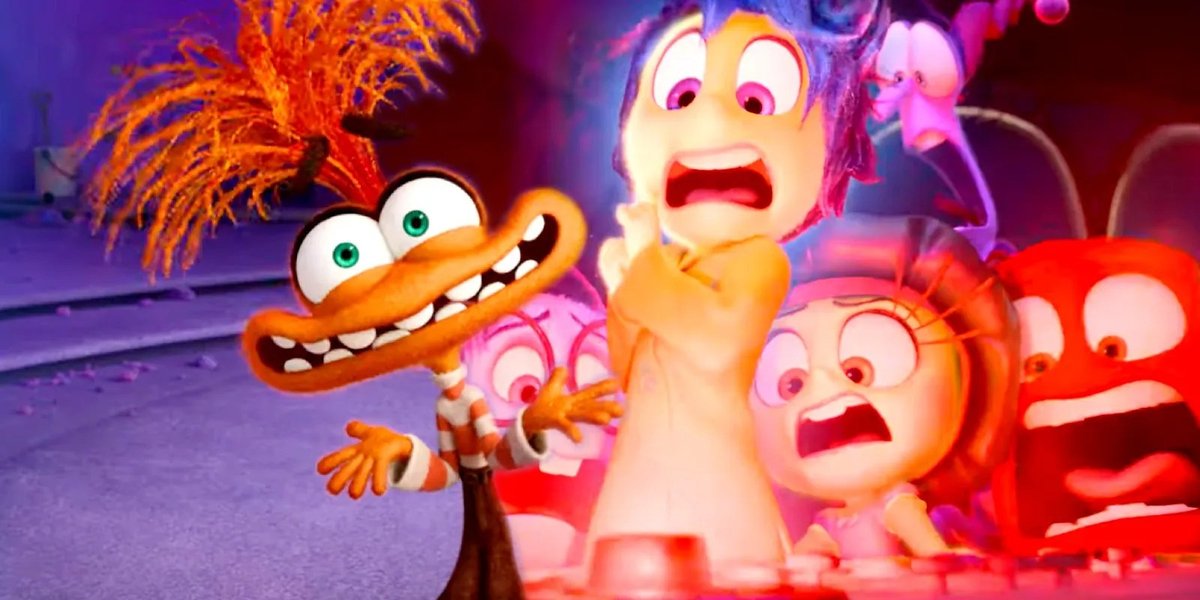
The lights dim, the screen glows, and then she appears: a frantic, orange-hued wisp of an emotion, clutching a ridiculously oversized suitcase. In that moment, for countless viewers around the globe, a profound and immediate connection was forged. The viewer reactions & relatability to Inside Out 2's Anxiety aren't just about enjoying a movie; they're about an unprecedented cinematic mirror reflecting one of humanity's most common, yet often misunderstood, internal experiences. This film doesn't just entertain; it validates, educates, and starts vital conversations about the intricate, messy, and sometimes overwhelming world of mental health.
Inside Out 2 has emerged as a cultural touchstone, deftly navigating the turbulent waters of adolescence through the lens of personified emotions. But it's the portrayal of Anxiety, in particular, that has resonated with such raw authenticity, striking a chord with millions who know its grip all too well.
At a Glance: What Makes Inside Out 2's Anxiety So Relatable?
- Spot-on Portrayal: The film accurately depicts core anxiety symptoms, from conditional thinking to panic attacks, making it eerily familiar.
- Destigmatizing Force: It offers a fresh, empathetic perspective, challenging historical, often negative, media portrayals of mental illness.
- Adolescent Anchor: The narrative’s focus on 13-year-old Riley’s journey through puberty makes it especially relevant for young people navigating identity and social pressures.
- Universal Validation: Viewers of all ages are finding their own internal struggles externalized and understood on screen, fostering a sense of not being alone.
- Powerful Conversation Starter: The film provides a safe, accessible entry point for families, educators, and friends to discuss complex emotions and mental well-being.
A Fresh Face in Headquarters: Understanding Inside Out 2's Anxiety
For decades, animated films, even those from the House of Mouse, have historically grappled with mental health themes, often in ways that, while sometimes well-intentioned, could contribute to stigma. Consider the 85% of Disney films referencing mental illness, with 21% featuring main characters described as 'mentally ill.' Characters like Maurice from Beauty and the Beast, dismissed as 'crazy,' or Jafar from Aladdin, embodying traits of Narcissistic Personality Disorder, often reinforced stereotypes, depicting characters as more violent or using derogatory terms like 'insane.' These portrayals, however unintentionally, could deepen isolation for those experiencing mental health challenges.
Enter Inside Out in 2015, a groundbreaking film that revolutionized how we talk about emotions. Its sequel, Inside Out 2, raises the bar even further, introducing a new set of emotions as 13-year-old Riley navigates the complexities of puberty. Among these new arrivals—Envy, Ennui (Boredom), and Embarrassment—it's Anxiety who takes center stage, arriving with a veritable mountain of "emotional baggage" in the form of a large suitcase. From the outset, Anxiety's goal is clear: to keep Riley safe, but her methods foreshadow a journey into delightful, yet deeply relatable, chaos.
This isn't your grandma's cartoon villain. Inside Out 2's Anxiety is not a 'bad' emotion to be vanquished but a complex, well-intentioned, albeit often misguided, part of Riley's inner world. This nuanced approach marks a significant departure from past animated depictions, offering a refreshing and destigmatizing perspective that resonates with contemporary understanding of mental health. It’s a powerful move, especially when you consider that anxiety disorders are the most common mental health condition globally, affecting an estimated 18–20% of the population worldwide. In the UK alone, over 8 million people—more than 1 in 10—live with one. For many, anxiety often begins in childhood, can become chronic if untreated, and disproportionately affects young people, particularly women.
The Unsettling Familiarity: Core Symptoms & Their On-Screen Mirror
What makes Inside Out 2's Anxiety so potent isn't just its presence, but the incredibly precise way it mirrors the lived experience of millions. The film meticulously illustrates core features of anxiety that many viewers immediately recognize in themselves or loved ones.
The Weight of "What Ifs": Conditional Thinking
One of the most insidious aspects of anxiety is its tendency to entangle our self-worth with external outcomes. The film expertly captures this through conditional thinking, the belief that one's value or safety depends on meeting specific, often unrealistic, expectations. Anxiety frequently steers Riley's thoughts with insidious ideas like, “If I’m good at hockey, I’ll have friends,” or the broader, more crushing, “If I do well, then I’ll be okay.”
This mental loop generates immense pressure, leading Riley to suppress genuine emotions and feel constantly overwhelmed. Viewers instantly connect with this cycle, recognizing how anxiety often dictates their own decision-making, pushing them towards perceived 'safer' paths, even if it means sacrificing authenticity or joy. It's a vivid illustration of how the mind under anxiety creates a rigid framework of "if/then" scenarios, trapping individuals in a constant state of performance anxiety.
"Not Good Enough": Negative Self-Imagery & Catastrophising
Anxiety doesn't just dictate future actions; it corrodes present self-perception. Inside Out 2 powerfully depicts how Anxiety convinces Riley that she is “not good enough.” This relentless internal critique damages her self-esteem, causing her to doubt her talent and question her place in the world.
This negative self-imagery and catastrophising—imagining the worst possible outcome—are hallmarks of anxiety disorders. The film shows how these thought patterns can lead to a downward spiral, mirroring how real-world anxiety can contribute to depression, self-isolation, or unhealthy coping mechanisms. For anyone who has ever felt that pervasive sense of inadequacy, Riley’s struggles are heartbreakingly familiar. It’s a powerful reminder of how our inner critic, fueled by anxiety, can distort our perception of reality and ourselves.
When the Body Reacts: Somatic Symptoms & Panic Attacks
Perhaps one of the most visceral and impactful aspects of the film is its unflinching depiction of the physical toll anxiety takes. The movie illustrates a range of somatic symptoms—physical manifestations of anxiety—including chest and abdominal pain, headaches, fatigue, tachycardia (rapid heart rate), and trembling. These aren't just abstract ideas; they're shown as real, tangible experiences for Riley, making the invisible struggles of anxiety visible.
The film culminates in a deeply moving portrayal of Riley experiencing a panic attack. The rising chest, sweating, and dissociation she experiences are accurate and profoundly unsettling for viewers who have lived through similar episodes. Crucially, the film doesn't just show the panic; it hints at early management steps. It emphasizes the importance of recognizing the signs, grounding oneself through breath and focusing on objects, and seeking support from trusted friends. This scene, in particular, has been lauded for its authenticity and its potential to educate viewers on how panic attacks can manifest and how to begin navigating them. For more insights on how to cope, you can read our comprehensive guide on Inside Out 2 anxiety symptoms and what to look for.
Beyond the Screen: Why Inside Out 2 Resonates So Deeply
The profound viewer reactions to Inside Out 2's Anxiety aren't merely about good animation or a compelling story. They stem from a deeper connection to the human experience itself.
The Adolescent Lens: A Tumultuous Time Made Visible
Adolescence is a crucible of change, marked by puberty, evolving identities, and intense social pressures. It's no wonder that anxiety often begins to manifest significantly during these formative years. Inside Out 2 places Riley precisely at this turbulent age, making her journey incredibly relatable, especially for young people. They see their own struggles with fitting in, academic performance, shifting friendships, and the bewildering process of self-discovery reflected on screen.
The film's focus on a young woman navigating these challenges is particularly poignant given that young people, especially women, are statistically more vulnerable to anxiety disorders. Seeing a character like Riley grapple with conditional thinking and self-doubt in a visually engaging way provides a powerful sense of validation. It tells them, "You're not alone in feeling this way."
A Universal Experience: Even Adults See Themselves
While targeted at a younger audience, the relatability of Inside Out 2's Anxiety transcends age. Many adults watch Riley's internal world unfold and see reflections of their own past or present struggles. The weight of expectations, the fear of not being "good enough," the physical manifestations of stress—these are not exclusive to teenagers. The film serves as a powerful reminder that anxiety is a universal human emotion, capable of becoming debilitating when left unchecked.
It prompts introspection, encouraging viewers to recognize their own Anxieties and perhaps even revisit past experiences with a newfound understanding. This broad appeal underscores the film's success in tapping into fundamental aspects of the human psychological experience.
Validation and Visibility: The Power of Being Seen
For those who live with anxiety, it often feels like an invisible battle. Seeing their internal world—the frantic planning, the catastrophizing, the physical discomfort—externalized and personified on screen is incredibly validating. It provides a shared language and a visual representation for what often feels ineffable and isolating.
This visibility is crucial. It helps articulate feelings that might have previously lacked words, making it easier for individuals to understand their own experiences and for others to empathize. The emotional resonance of the film, particularly with Anxiety, comes from this powerful sense of being "seen" and understood. You can explore more about how the film externalizes these internal struggles in our guide on Inside Out 2 emotional baggage meaning.
Breaking the Silence: Destigmatizing Mental Health
Perhaps one of the most significant impacts of Inside Out 2 is its role in destigmatizing mental health. By portraying Anxiety as a complex character—not inherently evil, but rather misguided in its attempts to protect Riley—the film offers a fresh, empathetic perspective. It moves away from the traditional, often negative, portrayals of mental illness seen in historical media and instead fosters understanding.
This nuanced depiction aids in identifying and supporting others facing similar challenges. It opens doors for broader conversations about mental health, making it easier for people to acknowledge their struggles and seek help without fear of judgment. The film asserts that these emotions, even the challenging ones, are a normal and vital part of the human experience. Understanding the role of each emotion is key, and we delve deeper into this in our guide on Inside Out 2's new emotions.
From Popcorn to Practicality: Using Inside Out 2 as a Conversation Starter
The film's impact extends far beyond the cinema. Its engaging narrative and clear visual metaphors make it an invaluable tool for practical discussions about mental well-being.
Talking to Kids About Anxiety: Tips for Parents and Guardians
For parents, Inside Out 2 provides a unique opportunity to engage children in conversations about their feelings.
- Ask Open-Ended Questions: Instead of "Did you like the movie?", try "Which emotion did you relate to most?" or "How do you think Anxiety was trying to help Riley?"
- Validate Their Feelings: If a child expresses similar feelings to Riley, assure them that it's normal to feel anxious sometimes. "It sounds like you sometimes feel worried about hockey too, just like Riley."
- Discuss Coping Strategies: Talk about what Riley did to manage her panic (breathing, grounding) and brainstorm other healthy coping mechanisms.
- Emphasize "All Emotions Are Okay": Reinforce the film's message that every emotion has a purpose, even if it feels uncomfortable.
- Normalize Seeking Help: Explain that just like Riley needed her other emotions, sometimes we need help from trusted adults or professionals.
Recognizing Anxiety in Ourselves and Others
The film's clear portrayal of anxiety symptoms can help viewers recognize these signs in themselves and those around them.
- Conditional Thinking: Notice if you or someone you know often frames success or acceptance in "if/then" terms ("If I get this promotion, then I'll be happy").
- Negative Self-Talk: Listen for phrases like "I'm not good enough," or constantly doubting one's abilities even when evidence suggests otherwise.
- Physical Symptoms: Be aware of unexplained headaches, stomach aches, rapid heart rate, or restlessness, especially during stressful periods.
- Panic-like Reactions: Observe sudden feelings of intense fear, sweating, chest tightness, or a sense of detachment.
By making these internal states visible, Inside Out 2 empowers us to be more observant and empathetic to the subtle cues of anxiety in daily life.
Empathy in Action: How the Film Fosters Understanding
The animated format allows for a level of empathy that might be harder to achieve with live-action portrayals. By literally seeing Riley's emotions operate her "console," viewers gain a deeper understanding of the internal struggle. They witness Anxiety's good intentions, even when they lead to problematic outcomes, fostering a nuanced understanding that goes beyond simple judgment.
This helps cultivate empathy for those experiencing anxiety, enabling friends, family, and even colleagues to approach someone struggling with greater compassion and less dismissal. It shifts the narrative from "Why are they overreacting?" to "What's happening inside their mind that's making them feel this way?"
Challenging the Stigma: How Media Can Shape Perception
Inside Out 2 stands as a testament to the power of media in shaping public perception and challenging long-held stigmas. Historically, depictions of mental illness in entertainment often led to fear and misunderstanding. This film, however, uses its broad appeal to deliver a message of acceptance and normalcy.
It invites viewers to see anxiety not as a flaw or a weakness, but as a complex, integral part of the human psyche that requires understanding and management. By making mental health accessible and relatable, the film contributes significantly to a cultural shift where discussing emotions and seeking support becomes less daunting. It’s an exemplary case of how creative storytelling can serve as a potent tool for social good, encouraging open dialogue and fostering a more supportive environment for everyone.
Addressing Common Questions About Anxiety (and Inside Out 2)
The film naturally sparks many questions, offering a unique opportunity to clarify misconceptions.
"Is Anxiety 'bad'?"
Inside Out 2 masterfully answers this with nuance. It shows that Anxiety, like all emotions, has a protective function. Its initial goal is to keep Riley safe as she navigates new social environments and challenges. However, the film also illustrates that when Anxiety's influence becomes unchecked and dominates Riley's emotional console, it can lead to negative consequences, causing immense distress and impacting her relationships and self-worth.
The takeaway isn't that Anxiety is "bad," but that balance is key. All emotions, including anxiety, play a role in our well-being, but when one emotion takes over, it can become problematic.
"Can a movie really help with anxiety?"
While a movie is not a substitute for professional mental health support, Inside Out 2 can be incredibly helpful. It provides:
- Validation: Viewers feel understood, reducing feelings of isolation.
- Education: It illustrates complex psychological concepts in an accessible way.
- A Shared Language: It offers a framework for discussing emotions, making conversations easier.
- Destigmatization: It normalizes anxiety, encouraging acceptance and reducing shame.
For many, it's a first step towards deeper self-understanding or seeking further information, like exploring resources available via Inside Out 2 anxiety mental health resources.
"What if my child relates too much?"
If a child (or adult) relates intensely to Riley's anxiety, it's a valuable signal. It means the film has articulated something they are genuinely experiencing. This isn't a cause for alarm but an opportunity. It's an invitation for open conversation: "I noticed you seemed to really connect with Riley's feelings when Anxiety took over. Do you ever feel like that?" It’s also an important moment to observe for persistent symptoms that might warrant professional guidance.
"What are the next steps if I'm concerned about anxiety?"
If the film sparks concerns about your own or a loved one's anxiety, the "next steps" are crucial:
- Open Dialogue: Talk about feelings openly and without judgment.
- Educate Yourself: Learn more about anxiety and its symptoms from reliable sources.
- Practice Coping Skills: Explore simple grounding techniques, mindfulness, or deep breathing exercises.
- Seek Support: If anxiety is significantly impacting daily life, consider speaking with a trusted adult, school counselor, doctor, or mental health professional. Early intervention can make a significant difference.
The Enduring Message: Embracing Every Messy, Beautiful Piece
The true genius of Inside Out 2 culminates in its powerful, affirming message. As the film concludes, Joy delivers a line that has resonated deeply with audiences: "We love all of our girl; every messy, beautiful piece of her." This isn't just a throwaway quote; it's the core thesis of the film, emphasizing that anxiety is a part of Riley, but it does not diminish her worth or define who she is.
Riley's journey, fraught with the overwhelming presence of Anxiety, shows her grappling with immense internal conflict. Yet, despite her struggles, the film illustrates that she maintains her friendships and her passion for hockey. This crucial detail teaches us that mental health challenges do not—and should not—dictate a person's entire life. It’s a testament to resilience, the importance of a holistic emotional landscape, and the idea that growth involves integrating all our feelings, not just the comfortable ones.
Inside Out 2 empowers us to see anxiety not as an enemy to be conquered, but as a facet of our complex emotional selves that requires understanding, compassion, and careful navigation. It's a call to embrace our full spectrum of emotions, recognize their intricate interplay, and extend empathy to ourselves and others. The film reminds us that while the journey through adolescence and beyond will inevitably be messy, every part of us—even the anxious bits—contributes to the beautiful, unique whole.
For more deep dives into the film's impact and its lessons on emotional well-being, explore our comprehensive resource: All about Inside Out 2 anxiety.